Library Membership and Use Policy

Updated July, 2026

The Lake Placid Public Library belongs to the entire community. We are committed to providing free access to educational, informational, cultural, and recreational material, programs for all ages, and creating welcoming spaces for learning, discovery, recreation, and connection. 

Library membership comes with both privileges and responsibilities. By using the library, obtaining a library card, or participating in library programs and services, members and visitors agree to help maintain an environment that is safe, respectful, and enjoyable for everyone. 

This policy explains the shared responsibilities that apply to all library members, visitors, and users of library services. 

What We Ask of Our Members and Visitors 

We ask that all library users: 

  • Treat library staff, volunteers, and other users with courtesy and respect. 
  • Use library spaces in a manner that allows others to comfortably enjoy the library. 
  • Respect library materials, equipment, furnishings, and facilities. 
  • Follow borrowing guidelines and return materials on time, so they remain available to others. 
  • Supervise children in accordance with this policy. 
  • Follow staff directions regarding safety, facility use, and applicable library policies. 

Borrowing Responsibilities 

Library materials are community resources shared by everyone. 

Members with library cards are responsible for: 

  • Returning borrowed materials by their due dates. 
  • Keeping account contact information current. 
  • Responding to notices regarding overdue, lost, or damaged materials delivered through phone calls, emails, or printed mail. 
  • Paying replacement costs for materials that are lost or damaged beyond normal wear. 
  • Accepting financial responsibility for all materials checked out on their library account and for any minor child account for which they have agreed to assume responsibility. 

Members with significant lost book fees, damaged book fees, or other unresolved charges may have borrowing privileges suspended until their fees are resolved. The library will make reasonable efforts to notify members of overdue materials before accounts are restricted. 

Access to borrowing privileges throughout the Clinton-Essex-Franklin Library System is governed by system-wide circulation policies as well as those of each individual library. More can be found on their website at cefls.org. 

Expected Conduct 

To ensure a welcoming environment for everyone, library users are expected to engage in activities associated with the normal use of a public library, including reading, studying, attending programs, using library materials and technology, and participating in community activities. 

Thank you for showing respect to others by 

  • Entering the library with appropriate footwear and attire. 
  • Maintaining personal hygiene. 
  • Consuming food and beverages in a limited manner that does not damage materials, furnishings, equipment, or create excessive mess. 
  • Using children’s and teen areas for their intended purpose, which is for young library visitors and their caregivers to work or play quietly and to access collections in those spaces. 
  • Tidying areas of the library that you have used by properly disposing of trash and recycling and placing used library materials on reshelving carts. 
  • Departing the building promptly at closing time. 

Thank you for refraining from 

Disruptive Behavior 

  • Excessive noise, shouting, or disruptive conversations. 
  • Playing personal media without headphones or at a volume audible to others. 
  • Photographing, filming, or recording other library users without their consent in a manner that interferes with privacy, comfort, or normal library use. 
  • Refusing to comply with reasonable directions from library staff regarding safety, facility use, or library policies. 
  • Using profanity, abusive language, or other hostile behavior directed at others such as harassing, intimidating, threatening, or stalking any library user, volunteer, or staff member. 

Unsafe or Illegal Conduct 

  • Fighting, physical aggression, or threats of violence. 
  • Possessing or using weapons except as permitted by law and library policy. 
  • Possessing, using, selling, or distributing illegal drugs or alcohol. 
  • Being visibly impaired in a manner that disrupts library operations or creates a safety concern. 
  • Any activity that violates federal, state, or local law. 

Misuse of Library Facilities 

  • Damaging or stealing library property. 
  • Blocking entrances, exits, aisles, or walkways. 
  • Using restrooms for bathing, shaving, laundering clothing, or other purposes unrelated to their intended use. 
  • Leaving personal belongings unattended for extended periods. 

Solicitation and Distribution 

Without prior approval from the Library Director, visitors and users may not engage in commercial sales, solicitation, canvassing, petitioning, fundraising, or distribution of materials within library buildings. 

Technology and Internet Use 

Visitors using library computers, networks, and internet services must comply with the library’s Internet and Computer Use Policy.  

Children in the Library 

The library welcomes children and families and seeks to provide a safe and enjoyable environment for young library users. 

Responsibility for a child’s safety, behavior, and wellbeing rests with the parent, caregiver, or legal guardian, not with library staff. Parents and caregivers should have a plan for children in the event of early closing, weather emergencies, or unexpected building evacuations. 

Children Under Age 8 

Children under age 8 must be accompanied by a parent, caregiver, or responsible person at least 14 years old who remains nearby and maintains visual contact with the child. 

Children Ages 8-10 

Children ages 8-10 may use the library independently only if a parent or caregiver remains in the building and is immediately available if needed. 

Children Ages 11 and Older 

Children aged 11 and older may use the library without direct supervision. Parents and guardians remain responsible for their child’s conduct and wellbeing while using the library. 

Library Programs 

Children ages 8-10 may attend library programs without a parent or caregiver in the program room, provided the parent or caregiver remains in the library and reconnects with the child at the conclusion of the program. 

Unattended Children 

If a child appears to be unattended in a manner that creates a safety concern, library staff will attempt to locate a parent or caregiver. If no responsible person can be located, the library may contact law enforcement or other appropriate authorities for assistance and complete an incident report for internal documentation of the event. 

Dogs in the Library 

Dogs are welcome at the discretion of library staff when their presence does not interfere with library operations, programs, or other visitors’ use of the facility.  

For the comfort and safety of all library users: 

  • Dogs must remain on a physical leash at all times. 
  • Dogs must remain under the handler’s control and close to the handler. 
  • Any barking, growling, jumping, or other disruptive behavior is not permitted. 
  • Dogs must be dry and hygienic.  
  • Owners are responsible for cleaning up after their dogs and for any damage caused by their animals. 
  • Dogs may not block aisles, entrances, exits, or access to library services. 
  • Dogs should not be left unattended anywhere on library property. 
  • Library staff may require a dog to leave if the animal’s behavior creates a disruption, safety concern, or excessive sanitation issue. 

Addressing Concerns 

Library staff are committed to handling policy violations respectfully, professionally, and with the goal of resolving issues whenever possible. 

Depending on the situation, staff may: 

  • Provide a reminder of the applicable policy. 
  • Issue a verbal warning.
  • Ask a visitor to modify their behavior. 
  • Ask a visitor to leave the library for the remainder of the day. 
  • Temporarily suspend library privileges. 
  • Contact law enforcement when safety concerns or legal violations occur. 

Serious incidents involving violence, threats, harassment, weapons, illegal activity, or repeated violations may result in longer suspensions of library privileges or trespass orders. 

Appeals 

Individuals whose library privileges have been suspended for an extended period may submit a written request for review to the Library Director and Board of Trustees within 30 days of the action. 

The Board will review the circumstances and communicate its decision in writing. 
QR Code Redirect to Events Page

this counts how many people use a QR code from our storywalk to enter our own events listing at https://lakeplacidlibrary.org/events-calendar/

QR Code Redirect to Interview

takes people to Honeybee Rescue Interview File at https://www.dropbox.com/scl/fi/kv6q68k8zlpfct5ystg2o/LGBurns_HoneybeeRescueInterview.mp3?rlkey=uhbgxb3phh0zxkj13r9u4t7oe&st=3heviaa0&dl=0?raw=1

QR Code Redirect

for Honeybee Rescue Storywalk

Leads people to https://loreeburns.com/honeybee-rescue-resource/

Library Cards & Borrowing Privileges Policy

Purpose

The Lake Placid Public Library recognizes that the Lake Placid Central School District includes full‑time residents, property owners, and a significant seasonal and temporary population. This policy ensures equitable access to library services while responsibly stewarding resources funded primarily by local taxpayers. 

Eligibility for Library Cards

Resident Library Card 

A Resident Library Card shall be issued at no cost to any individual who: 

• Resides within the Lake Placid Central School District, or 
• Resides within the Lake Placid Central School District for more than six (6) consecutive months, regardless of voting status or legal domicile, or 
• Owns property within the Lake Placid Central School District and spends a total of at least four (4) weeks per calendar year at that property, which may consist of multiple non‑consecutive visits. 

Resident Library Card holders receive full borrowing privileges, including access to interlibrary loan (ILL) services. 

Residents of Other Library Districts within Clinton, Essex, and Franklin Counties 

Individuals who reside outside the Lake Placid Central School District but within Clinton, Essex, or Franklin Counties are encouraged to obtain a borrowing card from their home public library. 

Through the Lake Placid Public Library’s participation in regional library system agreements, patrons holding a valid library card from their home library retain full privileges to use and borrow materials from the Lake Placid Public Library in accordance with system policies. 

Temporary Resident Library Card

A Temporary Resident Library Card shall be issued to individuals who: 

• Are staying within or working within the Lake Placid Central School District for more than one (1) month but less than six (6) months, and 
• Can provide proof of a temporary local address (such as a lease, lodging confirmation, or employer verification), and 
• Provide their permanent address outside the district. 

Temporary Resident Library Card privileges include: 

• Borrowing of physical library materials 
• Access to digital collections and electronic resources 
• Use of public computers and in‑library services 

Temporary Resident Library Card conditions and restrictions: 

• Interlibrary loan (ILL) privileges are not available 
• All borrowed materials must be returned on or before the end of the individual’s temporary residency or employment period within the district 

Temporary Resident cards shall expire no later than six (6) months from the date of issue and may not be renewed beyond that time. 

CONVERSION TO RESIDENT STATUS 

Any Temporary Resident cardholder whose stay or employment within the Lake Placid Central School District extends beyond six (6) months shall be eligible—and required—to convert to a Resident Library Card upon presentation of updated proof of residency. 

Proof of Address

Acceptable documentation may include, but is not limited to: 

• Lease or rental agreement 
• Utility bill 
• Property ownership documentation 
• Employer letter or seasonal employment contract 
• Other documentation deemed reasonable by library administration 

Visitor Access without a Card

Short‑term visitors staying one (1) month or less are welcome to: 

• Use the library space 
• Access in‑library resources 
• Attend library programs 

Visitors without a library card may request that selected library materials be held at the circulation desk between visits, subject to staff discretion and availability, to allow continued in‑library access to those materials during their stay. 

Items held in this manner may not leave the building and are held for a limited period as determined by library staff. 

Administrative Discretion

The Library Director, or their designee, is authorized to interpret and apply this policy in unusual circumstances consistent with its intent and with New York State library regulations. 

Gifts and Donations Policy

Last updated June, 2026 

The LPPL gratefully accepts donations, which play a significant role in supporting building repairs, furniture and equipment purchases, community programs, and improvements to our collection.  

Financial Contributions 

The library accepts financial gifts through cash, check, PayPal, Benevity.com, electronic wire transfer, or other means as able. As stated in our bylaws, all gifts of stocks/bonds must be sold upon receipt.  

All monetary gifts are recorded in our unrestricted donations account and used at the discretion of the Director and the Board of Trustees to fulfill the library’s mission. The Director is empowered to make purchases below $500 that are aligned with the library’s mission. All other non-recurring expenses require prior authorization by the Board. At the end of each fiscal year, the Board will vote to determine if cash reserves should be spent, rolled over to the next fiscal year for operating and/or capital expenditures, or placed in the endowment.  

Restrictions, if desired, must be provided in a signed letter, according to the New York Prudent Management of Institutional Funds Act (“NYPMIFA”). These funds are held in a separate ledger fund for tracking purposes. LPPL highly recommends that donors work with the Director and the Board of Trustees to ensure that restrictions align with the mission of needs of the organization and our community.  

Material Donations 

The Lake Placid Public Library may accept material donations. The Director will choose to accept materials based primarily on the condition and usefulness of the item as well as current storage capacity. The Lake Placid Public Library retains full control over all donated materials. Donated items are added to collections or furnishings, given to other institutions, or disposed of in other ways at the sole discretion of the Lake Placid Public Library. No agreement will be made to waive this control.  

The Lake Placid Public Library does not provide pick-up service for donated materials, and all deliveries of donations must be arranged in advance with the Director, or his/her designee.  

Recognition 

The Lake Placid Public Library will acknowledge all donations over $25 in writing. Only in the case of financial gifts will monetary values be assigned. It is the responsibility of the donor to have materials appraised before donating them to the Library. 

Donors who gift over $1000 will be invited to have a plate added to our donor recognition plaque, to be added at the end of the fiscal year, and to be listed in our Annual Report. Additional recognition for significant contributions will be determined in consultation with the Director. 

Memorial Donations 

The LPPL gratefully accepts memorial donations. Memorial donations from friends and family are recorded, and a summary letter is provided to the next of kin. Friends or family who are arranging the memorial donations may commemorate their loved one by working with the Director to purchase a small collection of appropriate books and include gift plates in their front covers. Other restricted uses of memorial funds must be arranged with the Director. Unfortunately, we are no longer able to grant requests to add memorials to the garden and space for material donations is limited (see above). 

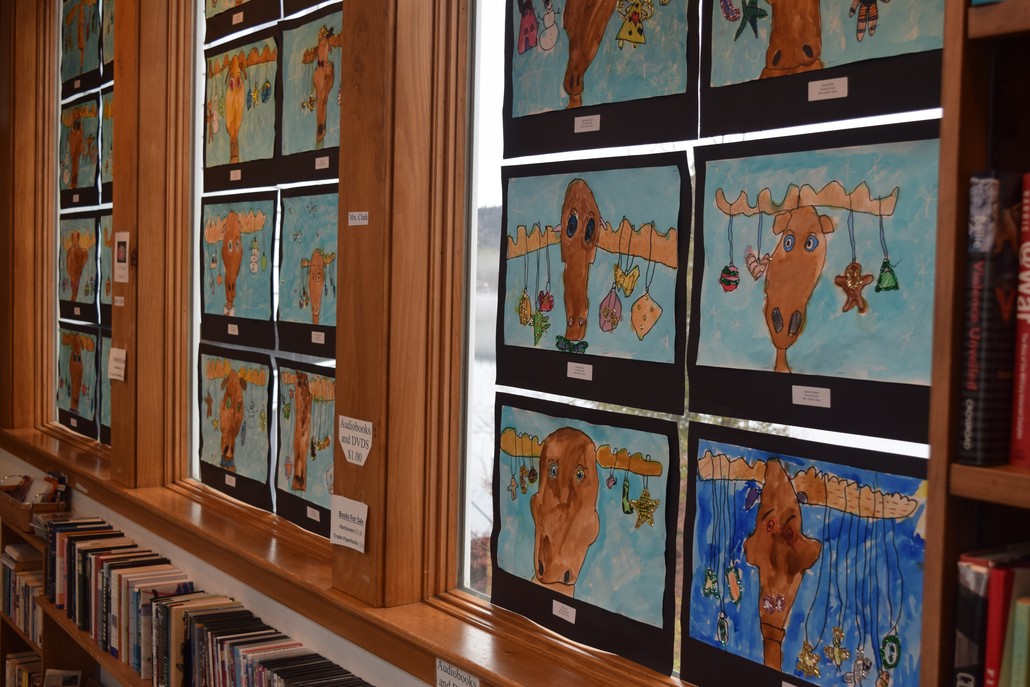
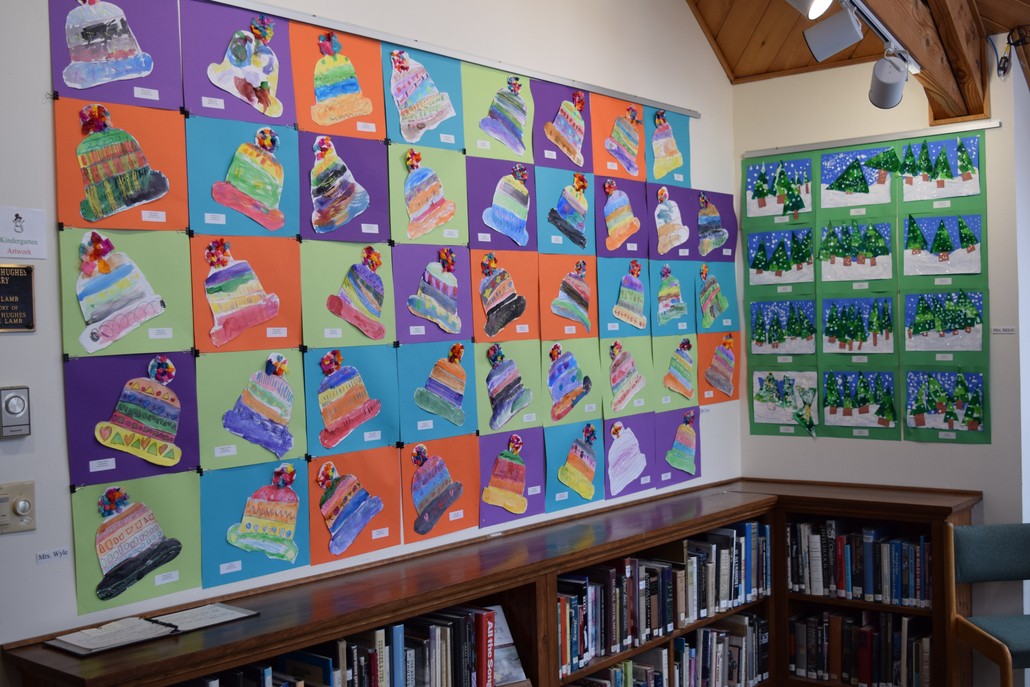
K-2 Holiday Art Show

With Lake Placid Elementary School Art Department

Ghoulish Gallery

The Ghoulish Gallery had its inaugural haunt in October 2025. The show featured horror and Halloween-themed art done by local teens from the community of Lake Placid. This gallery show will recur yearly in October!

Recognizing Women’s Right to Vote in New York State

This rotating exhibit is made possible through the Northern New York Library Network. On display from October 1-24, 2026.

On November 6, 1917, women won the right to vote in New York State. This occurred nearly seventy years after women organized to demand their right to vote at the first women’s rights convention in Seneca Falls, N.Y. in 1848. In the long fight for suffrage, women in New York had many motivations and tactics they used to achieve their goal. They were inspired by rights held by women in native communities, who enjoyed more economic freedom and political sway in their communities. Women organized into conventions, parades, and marches.  The women’s movement united with abolitionists and male allies, and drew attention to their cause with posters, pamphlets, buttons, signs, postcards, and songs. Many women throughout New York State sought their rights in a wide variety of ways, privately and publicly–by attempting to vote, engaging in tax protest, and by staging myriad protests over the decades. There were many obstacles women faced in their struggle for the vote. The prevailing opinion until the early 20th century was that women belonged in the domestic sphere, not the public sphere, and opposition to suffrage came from both men and women. Disagreements on strategies within the suffrage movement impeded progress, as well as strong anti-suffrage sentiments from opposing groups of men and women. However, World War I would have a massive impact on suffrage as women held jobs at home vacated by men fighting in the war, working in munitions factories and farming land, among other occupations. They also served overseas as nurses and in military support roles. With women taking on such a large public role in the war effort, it was difficult to justify not allowing women to participate in society as full citizens.

poster from 1917 stating “We are ready to Work beside you/ Fight beside you and/ Die beside you – Let Us Vote Beside You/ Vote for Woman Suffrage November 6th,”

Credits:

This exhibition was curated by Julia Corrice,  Susan Goodier, and Sally Roesch Wagner of the South Central Regional Library Council, in partnership with the Empire State Library Network and New York Heritage Digital Collections, with funding from Humanities New York. Exhibition materials contributed by:

Albany Public Library
Binghamton University
Bryn Mawr College Library
Center for Legislative Archives, National Archives
Claremont Colleges Library
Clinton Historical Society
Cornell University
David O. McKay Library, BYU-Idaho
Fayetteville Free Library
Friends Historical Library of Swarthmore College
Georgia State University Libraries
Harvard University
Jean Fagan Yellin
Ken Florey
Library of Congress
Loyola Marymount University, Department of Archives and Special Collections, William H. Hannon Library
Missouri History Museum
National Archives and Records Administration
National Archives at College Park
National Museum of American History, Kenneth E. Behring Center
New York State Library
National Portrait Gallery
NYC Department of Records & Information Services
New York Public Library
New York State Historic Newspapers
Onondaga Community College Library
Palisades Interstate Park Commission
Robert W. Woodruff Library
Rochester Museum & Science Center
Seneca Falls Historical Society
Skaneateles Historical Society
South Central Regional Library Council
Temple University
University of California
University of Massachusetts Amherst Libraries
University of Michigan Libraries
University of Wisconsin Digital Collections
Wells College
White Plains Public Library

Citation:

Corrice, Julia, Susan Goodier and Sally Roesch Wagner. Recognizing Women’s Right to Vote in New York State. New York Heritage Digital Collections, May 14 2018. https://nyheritage.org/exhibits/recognizing-womens-right-vote-new-york-state.

Photo 1917. Courtesy of the New York State Library.

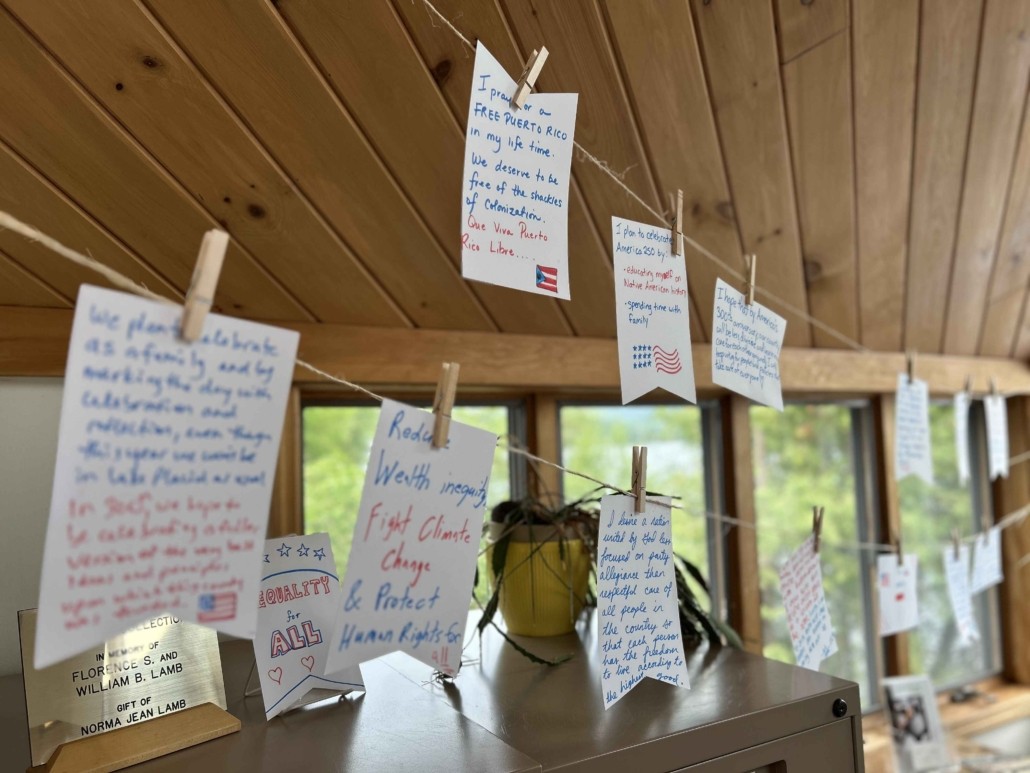
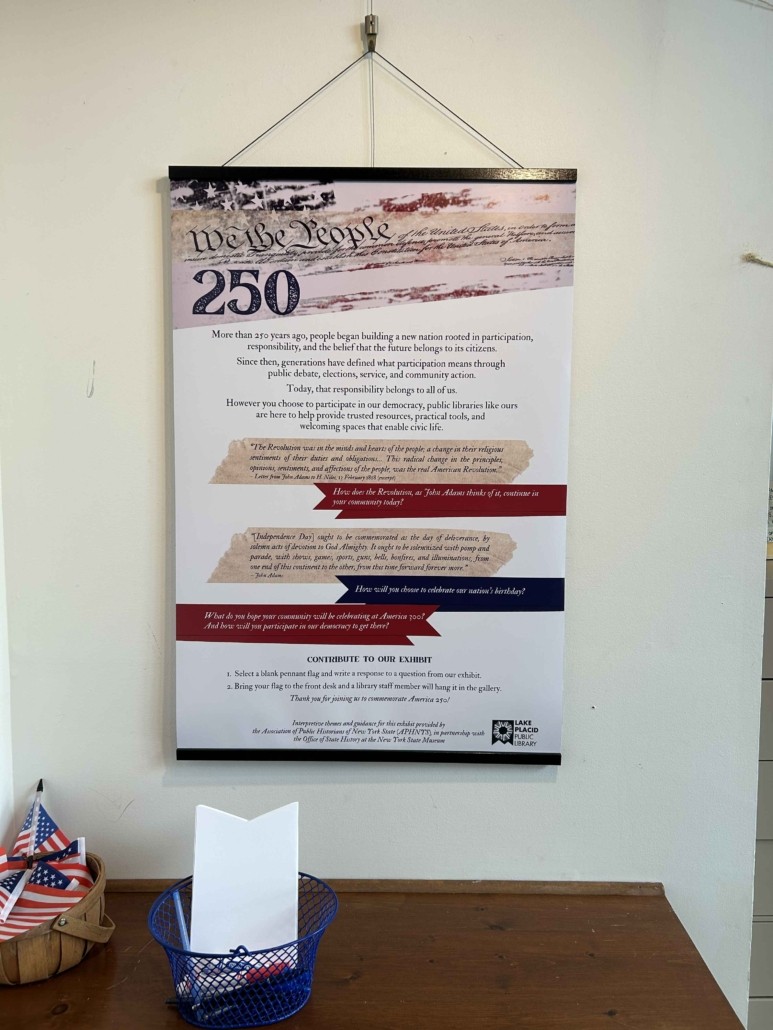
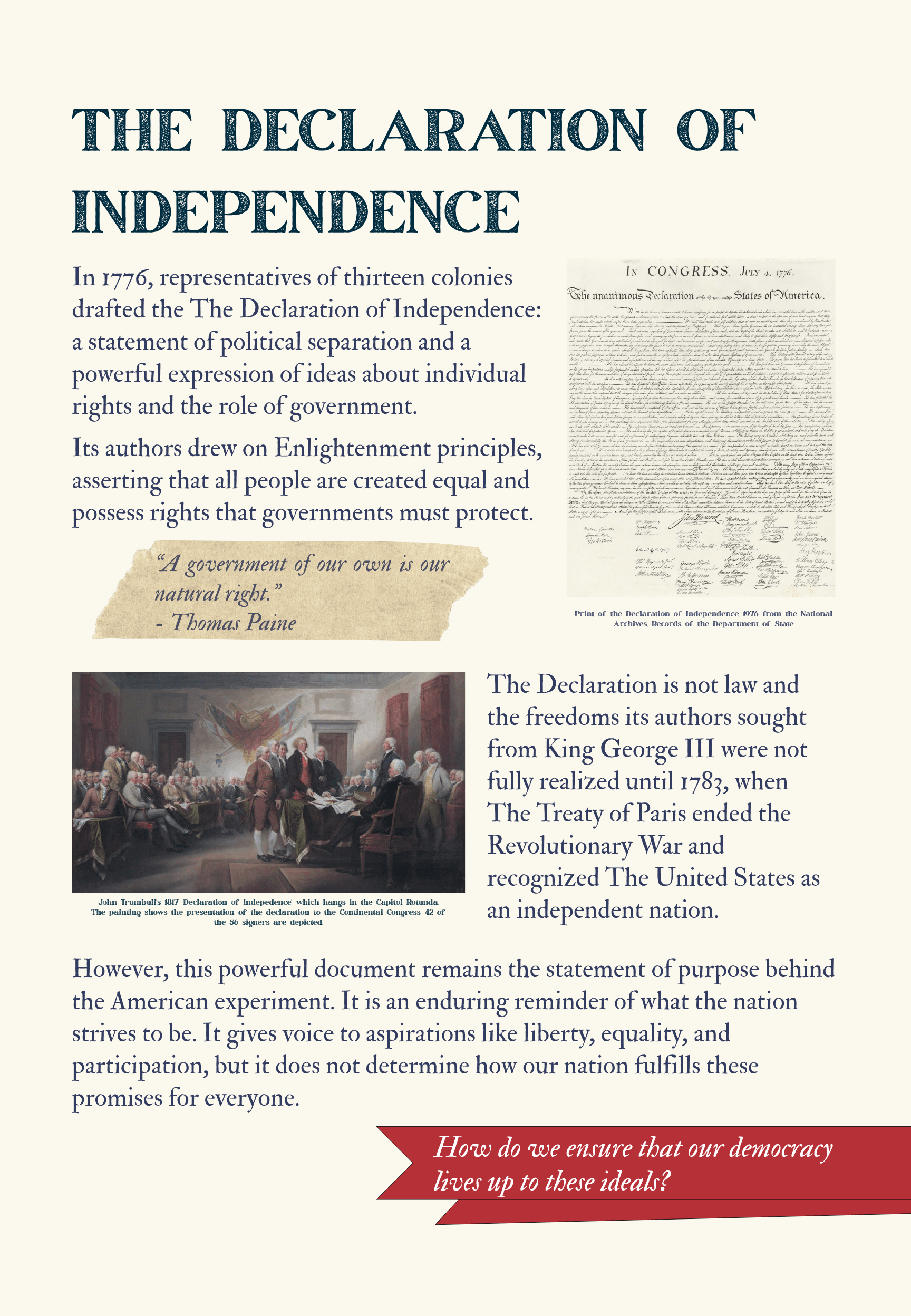
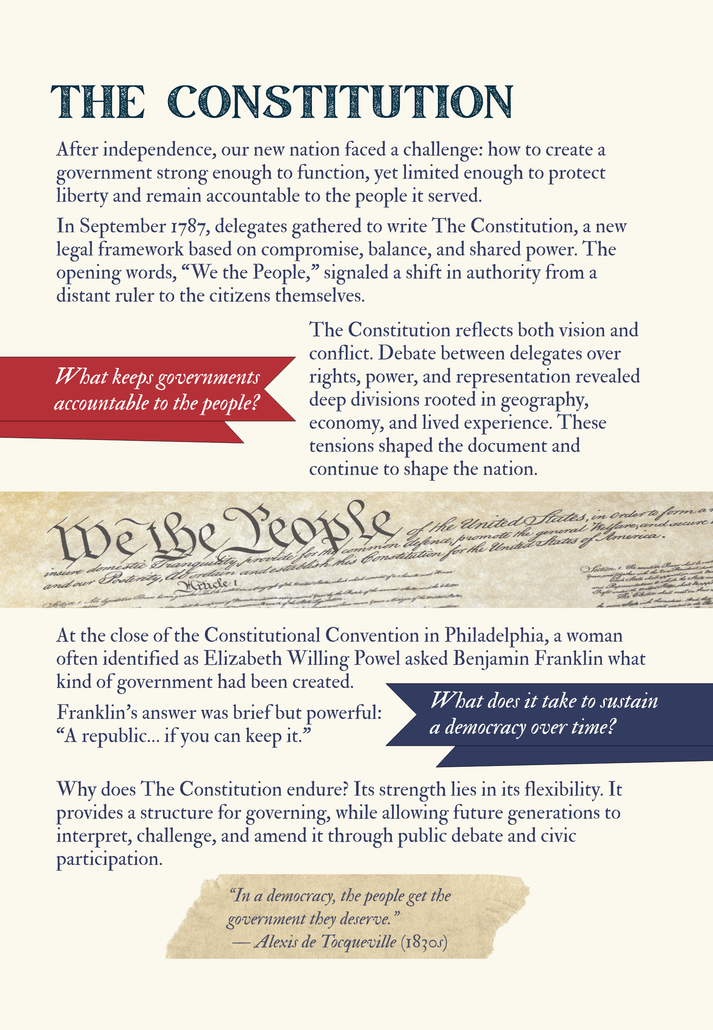
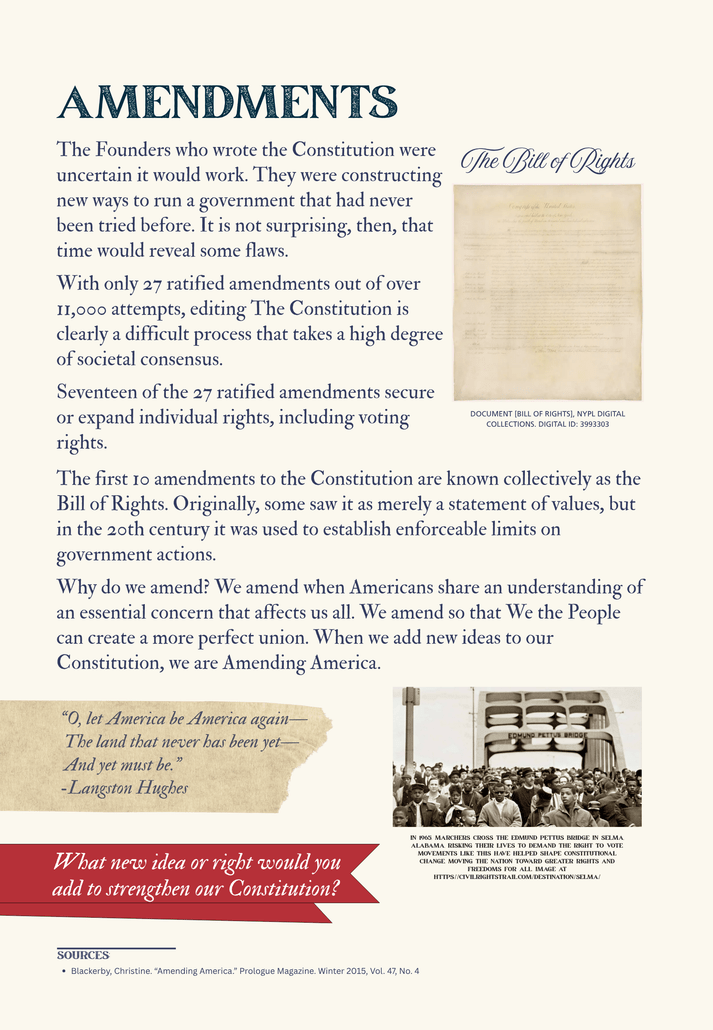
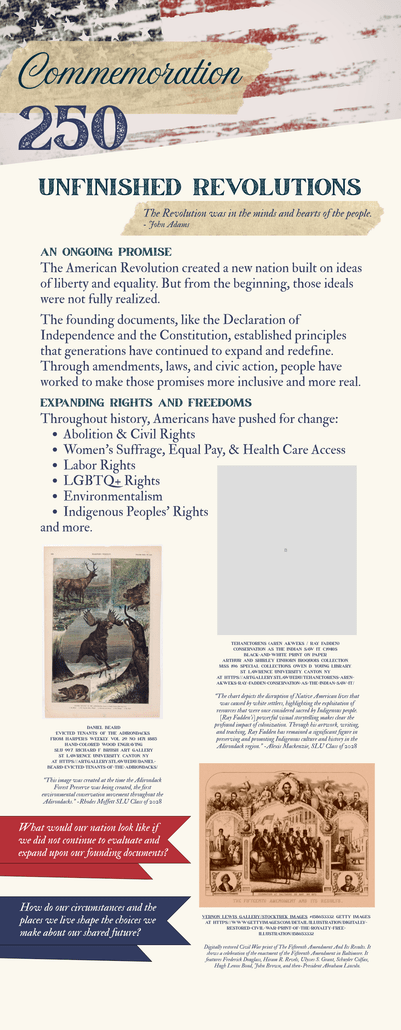
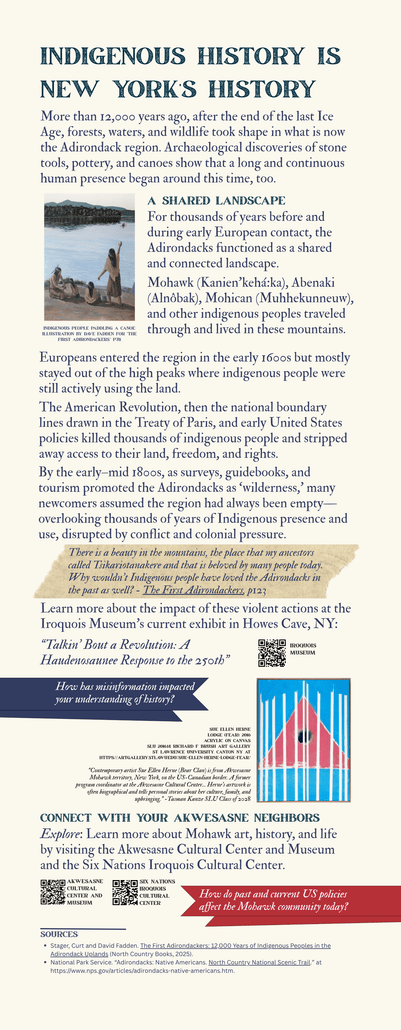
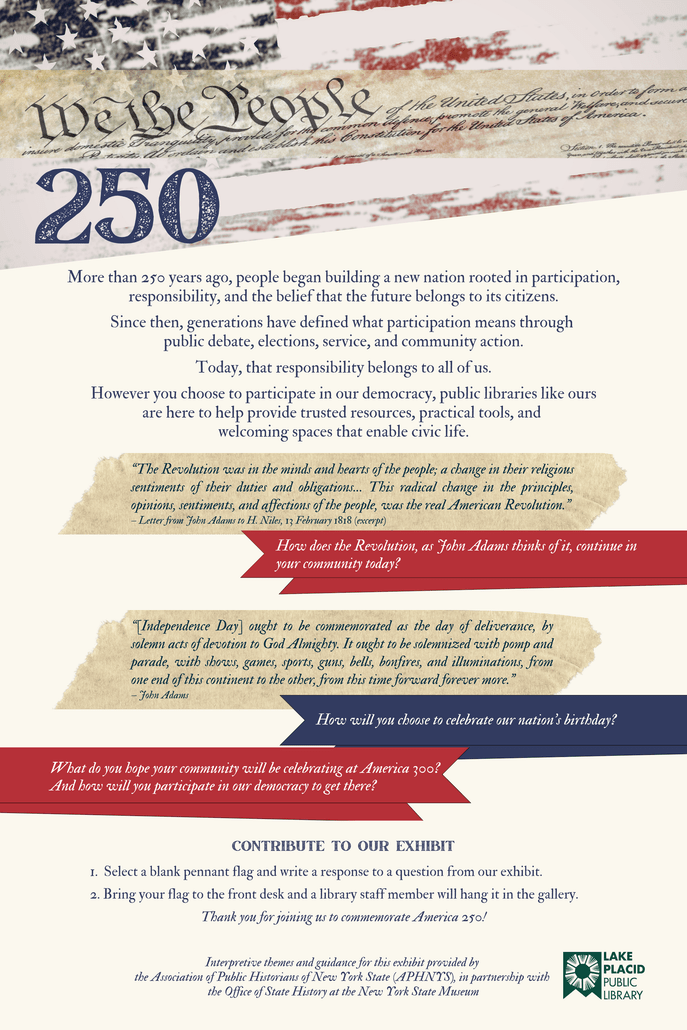
America 250 Exhibit